Wallpaper & Wall Coverings
Wall as Canvas: Wallpaper Choices for Hawaii's Coastal Interiors
The question I hear most often about wallpaper in Hawaii is a worried one: can it even work here? The humidity, the salt air, the mold — there's a whole list of reasons why people talk themselves out of it before they've started. And I understand the hesitation. I've seen bad wallpaper installations in Hawaii, and they fail dramatically.
But I've also seen the rooms where it's done right. A deep, woven grasscloth in a Kahala study, sealed against a dry interior and aging beautifully. A kapa-inspired geometric in a Kaka'ako apartment that feels like it belongs to these islands in a way no painted wall ever could. A painterly abstract in a Nu'uanu bedroom that takes the misty quality of the valley and translates it into something you can live inside.
The wall is the largest uninterrupted surface in any room, and in Hawaii — where interiors tend toward high ceilings and generous windows — it carries particular weight. Get it right and the rest follows.

The Humidity Question
Hawaii's humidity is not negotiable, and any wallpaper decision starts here. This doesn't mean wallpaper is impossible — it means the material selection has to be deliberate.
Type II vinyl-backed wallpaper is the most forgiving option in humid conditions. The vinyl layer creates a moisture barrier that protects the paper substrate and prevents the adhesive failure that causes peeling and bubbling. For any space with real airflow from outside — a home in Portlock with the sliding doors open, a Kailua beach house where the trade winds run through most of the year — Type II is the baseline.
Grasscloth is the great temptation of Hawaiian interiors, and with good reason: its textural warmth, its natural quality, its reference to woven craft. It is also the most moisture-sensitive option available. In a dry, air-conditioned room — a Kahala bedroom where the climate is controlled, a Makiki study that never sees direct ocean air — grasscloth performs beautifully and continues to get more beautiful over time. In any space with humidity swings or ocean airflow, it will expand and contract, and the seams will show. Commit to the right room and accept that the timeline for replacement is shorter than on the mainland.
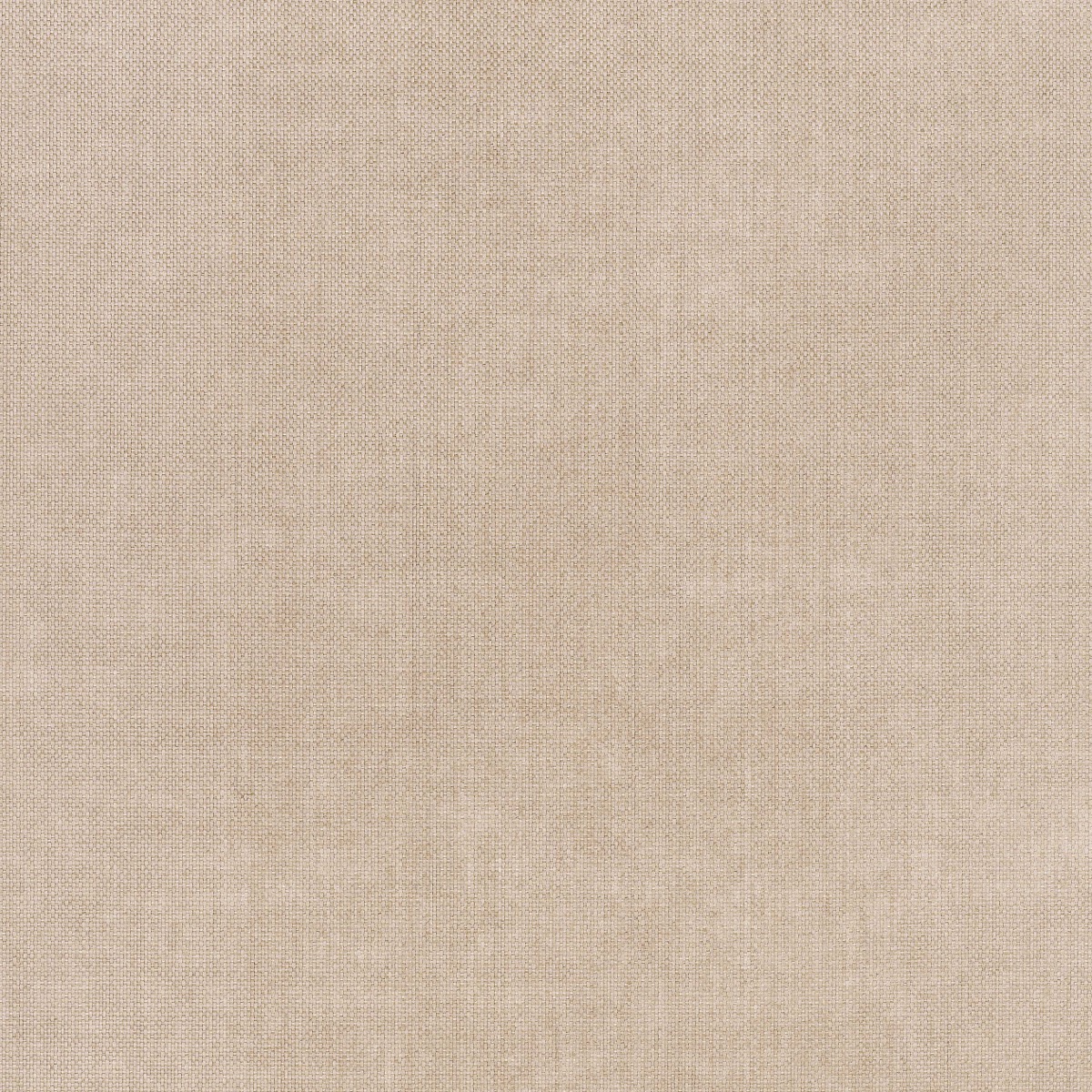
Woven textile wallcoverings — fabric bonded to a paper or non-woven backing — are the sophisticated middle ground. They offer the textural quality of grasscloth with better dimensional stability, and the category has expanded significantly as manufacturers have responded to demand for natural-looking materials that can perform in challenging climates. This is where I spend most of my time looking.
The Pattern Conversation
The pattern history of Hawaiian interiors is long and occasionally unfortunate. The postwar tourism boom produced a wave of tropical print wallpapers — palm trees, hibiscus, plumeria, parrots — that became inseparable from a certain version of island identity. That version has its place in a retro beach cottage. In a serious contemporary interior, it belongs nowhere.
The interesting conversation is happening at the intersection of several traditions.
Japanese Influence
Hawaii's Japanese community is among the most established in the United States, and its influence on island aesthetics runs deep. The design values — ma (negative space), wabi-sabi (the beauty of imperfection and time), careful observation of natural form — translate directly into wallpaper choices that feel right here. They feel right because they come from an island culture that has been thinking about similar problems for a very long time.
Large-scale brushstroke patterns, botanical illustrations in the Nihonga tradition, and abstract washi-inspired textures all bring this sensibility to the wall. Look for papers that suggest rather than depict — a hint of bamboo, a wash of ink, a texture that recalls aged paper rather than printing one.
Kapa Tradition
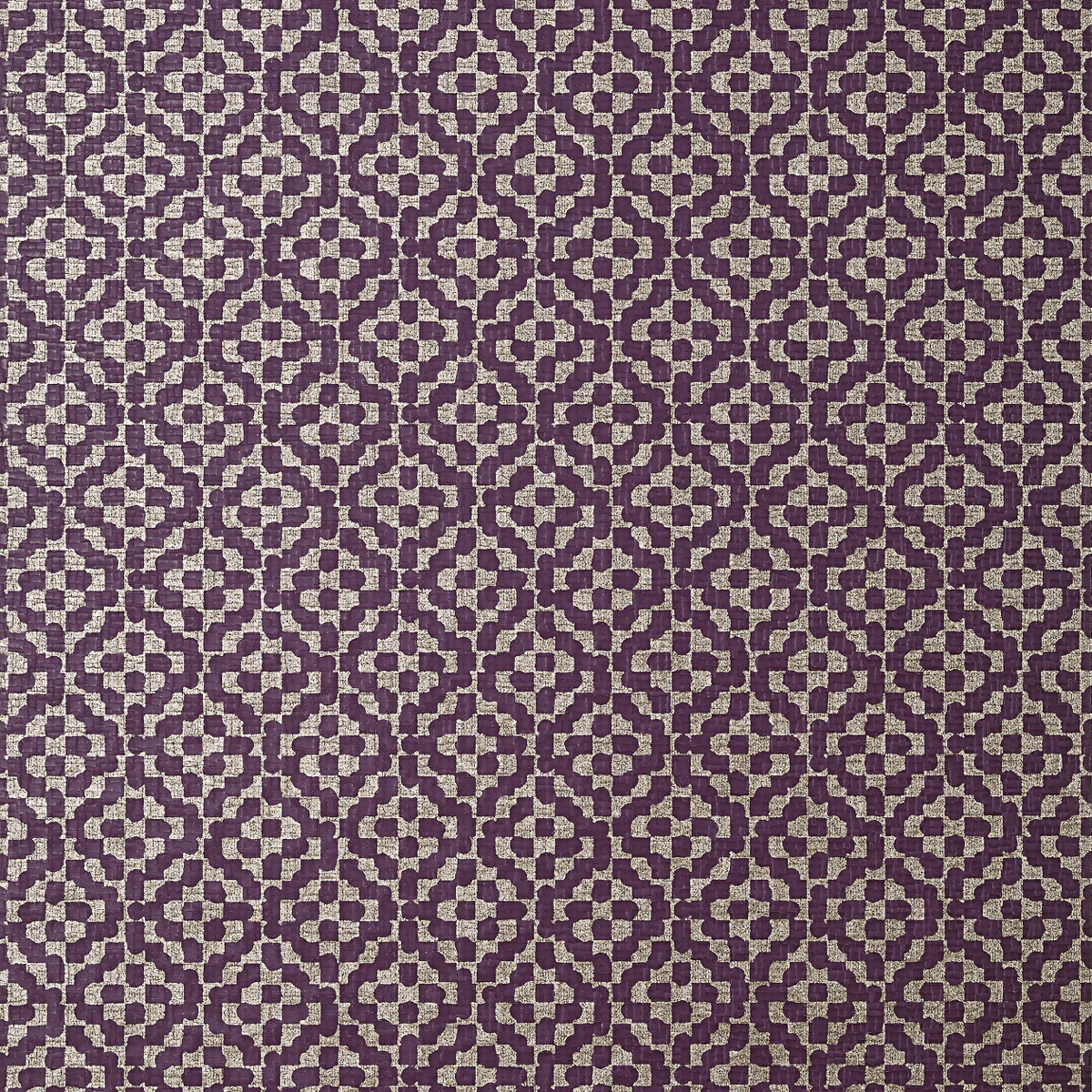
Traditional Hawaiian kapa — bark cloth impressed with geometric patterns using carved tools — is one of the most sophisticated pattern traditions in the Pacific. The motifs are bold and graphic, tied to the natural world: fern fronds, ocean waves, the lattice of tapa-beating marks repeated across a field of cloth.
Contemporary designers are beginning to work seriously with these forms — abstracting and scaling them for wallpaper — and the results are among the most compelling things happening in Hawaiian interior design. These are not novelty prints. They are a design lineage with deep roots in these islands, and using them is a way of making a room that actually belongs here.
Textural and Abstract
The dominant direction in luxury wallpaper right now is textural and abstract — large-scale patterns that read as texture from across the room, with enough detail to reward close inspection. Painterly marks, hand-printed surfaces, organic forms rendered with enough irregularity to suggest the hand rather than the machine.
In a Hawaiian interior, this direction works particularly well because it doesn't compete with the view. A subtly patterned wall behind a large window looking toward the Ko'olau mountains does something a white wall never could — it creates depth, a sense that the room itself is a considered space, not just a frame for the landscape.
Color Strategy for Hawaiian Walls
The wall is where the color story of a room is established. In Hawaii the temptation is always to bring the outside in — the turquoise of the water, the green of the mountains. This can work brilliantly when handled with restraint. When it's not, the result is a kind of competitive chaos where the room and the landscape are fighting each other rather than working together.
A more considered approach uses the wall to create ground — a tone that allows the colors outside to read as accent. A few directions I keep returning to:
Nu'uanu moss: The cool gray-green of the valley walls — not bright, not saturated, but deep enough to create presence. Against this tone, the view through the window reads as vivid rather than ordinary.
Volcanic ground: Warm, dark charcoal in the brown-inflected register of pāhoehoe lava. On a wall in a Ko Olina living room with the Pacific visible from the terrace, this creates a contrast that makes the ocean look impossibly blue.
Lāhainā coral: A properly weighted terracotta — muted, dry, the color of the afternoon light on the old town's buildings — works in Hawaii in ways it doesn't always work on the mainland. It belongs here. It's the color of the earth, of traditional Hawaiian building materials, of certain evenings on the west-facing coasts.
Room by Room
Living rooms and great rooms: In open-plan spaces, consider covering one feature wall — the wall that anchors the room, not the ones that open to the outside. Woven textile wallcoverings, large-scale abstract papers, or deeply textured surfaces work well. The wall should feel like a considered choice, not wallpaper for wallpaper's sake.
Bedrooms: The most latitude for atmospheric choices. In a Nu'uanu bedroom, a moody paper in deep Manoa canopy green or Tantalus mist creates a quality of sanctuary that is particularly valuable in a climate defined by brightness. This is also where grasscloth earns its place — in an air-conditioned room where the climate is controlled.
Bathrooms: The most technically demanding space in Hawaii. Commit fully to Type II vinyl or another moisture-appropriate material. But smaller spaces allow for bolder pattern choices — a graphic kapa-inspired print, a richly colored paper, something you wouldn't put in the living room. The commitment to a pattern feels appropriate when the scale is intimate.
Entry halls and lanai transitions: These threshold spaces benefit from wallpaper that acknowledges the transition between outside and inside. Natural-material wallcoverings, tonal papers in earthy colors, patterns that reference weaving or basketry. The entry is where the house first declares its character — and in Hawaii, that character should feel like it belongs here.
Installation Notes
The quality of a wallpaper installation in Hawaii depends heavily on preparation. Walls must be primed with a moisture-blocking primer before installation — particularly in older homes where moisture infiltration may have compromised the substrate. Mold-resistant adhesive is not optional. And walls should fully cure before installation — particularly in new construction — or the moisture in the substrate will work against the adhesive from day one.
A well-chosen, properly installed wallpaper should last ten to fifteen years in controlled interior conditions. The investment in material and preparation will pay for itself many times over, and in the right room, it will be the decision the house is remembered for.
Stay in the Loop
New arrivals, seasonal
stories & studio notes.
Join the Hale circle. Be the first to know about new fabric arrivals, limited accessory drops, and studio events.
No spam. Unsubscribe at any time.